
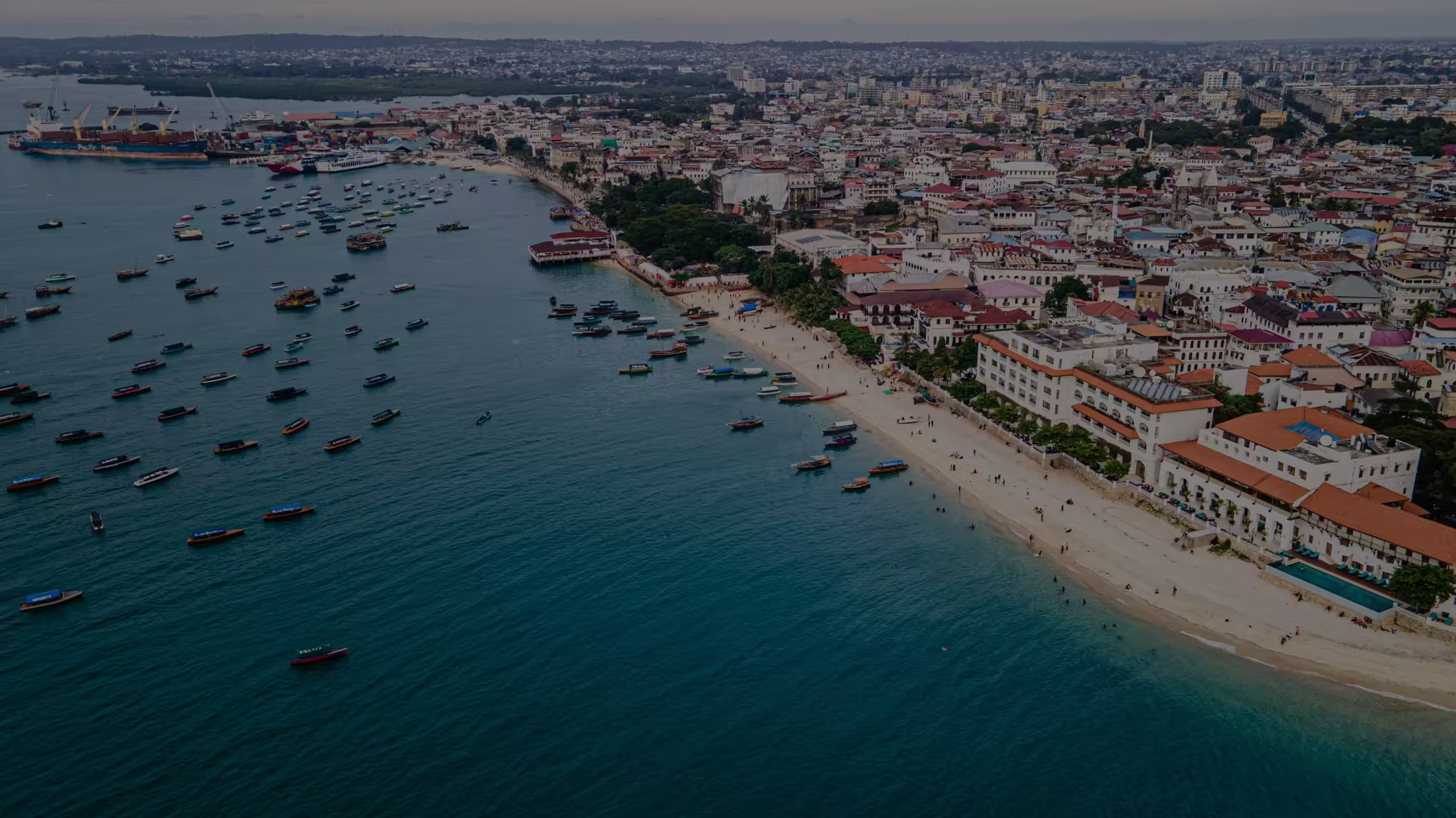
| Zanzibar has emerged as one of the Indian Ocean’s most sought-after destinations for foreign residential property investment. Beachfront apartments, villa developments, and branded residences are attracting buyers from Europe, the Middle East, Asia, and the wider African continent. But property acquisition in Zanzibar by foreign nationals operates within a specific legal framework that differs materially from both the mainland Tanzania system and the property laws most buyers are accustomed to at home. This article explains what foreign buyers need to know — and what they cannot afford to get wrong. |
I. The Foundational Rule: No Freehold for Foreign Nationals
The single most important legal principle governing foreign property acquisition in Zanzibar is this: all land in Zanzibar is vested in the Government, and no foreign national can acquire freehold title to land or property in the islands. This is not a bureaucratic formality — it is a constitutional principle that shapes every aspect of the foreign buyer’s legal position.
What foreign buyers can acquire is a long-term leasehold interest in property, typically structured as a Granted Right of Occupancy (GRO) or a derivative leasehold interest. These interests — when properly structured and documented — give the holder secure, long-term, and commercially valuable rights to occupy and use the property. They can be sold, mortgaged, inherited, and managed as an investment asset. They are not freehold, but for practical purposes they function as the equivalent for most residential purchasers.
Understanding this framework — and ensuring that the specific interest being acquired is correctly structured — is the foundation on which every other aspect of the foreign property purchase rests.
II. The Available Legal Structures for Foreign Buyers
Direct Long-Term Lease
A foreign national can acquire a long-term leasehold interest in developed property directly, typically for a term of between 33 and 99 years. The lease is granted by the landowner — which, for government land, is the Zanzibar Government acting through the relevant land authority — and registered in the name of the foreign buyer. For apartment purchases in developed projects, the buyer typically acquires a lease of the specific unit from the developer, who holds the underlying land interest. These are through projects under Special Economic Zones like Fumba Town which comes with its own incentives.
Purchase Through a Zanzibar-Incorporated Company
An alternative structure — and one that is commonly used in larger and more complex property transactions — is for the foreign buyer to acquire the property through a locally incorporated Zanzibar company. The company holds the land interest, and the foreign buyer holds shares in the company. This structure can offer advantages in terms of estate planning, future sale mechanics, and the management of mortgage security, but it introduces a layer of corporate compliance obligations that the buyer must be prepared to manage.
Developer-Sold Leasehold Units
For buyers purchasing in new development projects — apartments, branded residences, and resort properties — the most common structure is the acquisition of a leasehold interest in a specific unit within a development, with the developer holding the underlying land right and granting a sub-lease to individual unit buyers. The terms of these sub-leases vary significantly between developments, and detailed legal review of the developer’s title, the terms of the sub-lease, and the management and service charge arrangements is essential before any commitment is made.
| Critical Due Diligence Point: Not all Zanzibar development projects are as legally clean as their marketing materials suggest. Buyers have encountered developments where the developer’s own title is defective, where the land is subject to undisclosed encumbrances, or where the sub-lease terms are materially unfavourable to the unit buyer. Instructing independent legal counsel — not the developer’s recommended solicitor — is a non-negotiable step for any foreign buyer. |
III. The ZIPA Investment Certificate: Foreign Buyer Requirements
Foreign nationals acquiring property in Zanzibar above the prescribed investment threshold are required to register with the Zanzibar Investment Promotion Authority (ZIPA) and obtain an Investment Certificate. The ZIPA registration requirement serves the dual purpose of recording the foreign investment and conferring on the investor certain protections under Zanzibar investment law — including guarantees against expropriation without compensation and the right to repatriate capital.
The ZIPA Investment Certificate is a condition for the issuance of a Government Consent to the property transaction, which is required for the registration of a foreign buyer’s leasehold interest at the Zanzibar Land Registry. Buyers who attempt to complete a property purchase without obtaining ZIPA registration — either through ignorance or on the advice of a developer eager to close — can find themselves unable to register their interest, which leaves their title unprotected.
Minimum Investment Thresholds
ZIPA prescribes minimum investment thresholds for foreign investors, which are periodically reviewed and updated. Buyers should verify the current threshold at the time of their transaction, as the applicable figure may have changed since the time of any general guidance they have received. Properties priced below the threshold may not qualify for ZIPA registration through the investment route, and alternative structuring options — including acquisition through a local partner or through a Zanzibar company — may need to be considered.
IV. The Conveyancing Process: From Offer to Registration
Heads of Terms and Reservation
The process of purchasing a residential property in Zanzibar typically begins with the signing of heads of terms or a reservation agreement, accompanied by a reservation deposit. Foreign buyers should be aware that reservation agreements — even where labelled as non-binding — can contain terms that are materially consequential, including forfeiture provisions that mean the deposit is lost if the buyer fails to proceed for any reason. Legal review before signing a reservation agreement is strongly recommended.
Due Diligence
Legal due diligence on a Zanzibar property purchase covers three principal areas: title due diligence (verifying the seller’s or developer’s title to the property, investigating the land register, and confirming the absence of encumbrances, court orders, and adverse claims); regulatory due diligence (confirming ZIPA and planning compliance); and contractual due diligence (reviewing the terms of the sale and purchase agreement or sub-lease). All three must be conducted by qualified local counsel with direct access to the Zanzibar Land Registry and the ZBPRA.
Sale and Purchase Agreement
The sale and purchase agreement is the primary legal document governing the transaction. For new developments, the developer will typically provide a standard form agreement that has been drafted in the developer’s interests. Foreign buyers — particularly those purchasing off-plan — should ensure that their legal counsel negotiates appropriate protections: a construction completion timeline with consequences for delay; a specification that is legally enforceable; handover procedures and snagging rights; and remedies in the event of the developer’s insolvency.
Government Consent and Registration
Following execution of the sale and purchase agreement and payment of the purchase price, the transaction must be approved by the relevant Zanzibar land authority and the buyer’s leasehold interest registered at the Zanzibar Land Registry. Registration is what makes the buyer’s title effective against third parties — an unregistered interest, however well-documented in the private sale agreement, is vulnerable to a subsequent registered interest holder.
| Registration Risk: A significant number of foreign property buyers in Zanzibar have paid the purchase price and received keys to their unit but have not completed the registration of their interest at the Land Registry. In some cases, this is because the developer has not completed its own title registration. Buyers in this position hold an unregistered contractual right rather than a registered property interest — a materially weaker legal position that can prove extremely difficult to resolve if the developer subsequently becomes insolvent or sells to a third party. |
V. Costs and Taxes: What to Budget For
Foreign buyers should budget for the following costs in addition to the purchase price. Stamp duty is payable on the transfer of property in Zanzibar and is calculated as a percentage of the transaction value. Registration fees are payable to the Zanzibar Land Registry on registration of the leasehold interest. ZIPA registration fees and Government Consent fees are payable in connection with the investment registration process. Legal fees — for the buyer’s own counsel — are separately negotiated and should be agreed in advance on a fixed or capped basis.
Annual ground rent or land rent may also be payable under the terms of the leasehold interest, and buyers should understand the quantum of these ongoing obligations and how they are reviewed and adjusted over the term of the lease. For apartment purchases in managed developments, annual service charges — covering the maintenance of common areas, security, and building insurance — represent a further ongoing cost that should be understood and compared across developments before commitment.
VI. Off-Plan Purchases: Additional Considerations
Off-plan purchases — where the buyer commits to purchase a unit before the development is complete — are common in Zanzibar’s growing residential market. They offer the potential for attractive pricing but carry construction risk that must be managed through the contractual framework.
Key legal protections for off-plan buyers include: stage payment structures that tie instalments to construction milestones rather than calendar dates; a completion long-stop date with a right to rescind and recover payments if completion does not occur; a developer warranty on the specification and quality of the finished unit; and — where available — a performance bond or payment into escrow to protect against developer insolvency. These protections should be sought in every off-plan transaction; developers who resist all of them should be viewed with appropriate caution.
VII. Financing: Can Foreign Buyers Get a Mortgage in Zanzibar?
Local mortgage finance for foreign buyers of Zanzibar residential property is limited but developing. A small number of local commercial banks offer mortgage products to foreign buyers, typically subject to strict loan-to-value ratios, higher interest rates than prevail in the buyer’s home market, and conditions relating to the buyer’s income and employment status. The security arrangements for a mortgage over a leasehold interest in Zanzibar require careful legal structuring, and buyers seeking local financing should engage counsel experienced in Zanzibar mortgage transactions from the outset.
Most foreign buyers finance Zanzibar purchases either through cash or through financing raised against assets in their home jurisdiction. Where home-jurisdiction financing is used, the interaction between the lender’s security requirements and the Zanzibar property framework should be considered — in particular, ensuring that the home-jurisdiction lender is satisfied with the nature and security of the property interest being acquired.
VIII. Conclusion: Buy Right, Buy Safe
Zanzibar offers genuine and compelling opportunities for foreign property buyers — from beachfront apartments to branded residences in world-class resort developments. The legal framework for foreign ownership, while different from what most buyers are used to, is well-established and provides real and enforceable rights when it is properly navigated.
The buyers who have the best experiences in this market — and who go on to realise the investment returns the market can offer — are those who invest in proper independent legal representation, who complete due diligence thoroughly before committing, and who insist on registration of their interest as a condition of completion. The buyers who have the worst experiences are, consistently, those who cut corners — who relied on the developer’s lawyers, who accepted verbal assurances rather than contractual protections, or who allowed the excitement of the purchase to override the discipline of the legal process.
In a market growing as fast as Zanzibar’s, the opportunity is real. So is the risk of getting it wrong. The quality of your legal advice is the difference between the two.
About the Author
Sunday Ndamugoba is a Partner at RIVE & Co, a corporate and commercial law firm qualified to practise in both Tanzania and Zanzibar. He regularly advises foreign nationals and institutional investors on property acquisition, development structuring, and real estate transactions in Zanzibar. He can be reached at sunday@rive.co.tz.
| LEGAL DISCLAIMER This article is produced by RIVE & Co for general informational and thought leadership purposes only. It does not constitute legal advice and should not be relied upon as such. The laws, regulations, and regulatory positions referenced herein are subject to change. Readers are strongly advised to seek independent legal counsel qualified in Tanzania and Zanzibar law before taking any action in reliance on this publication. RIVE & Co accepts no liability for any loss or damage arising from reliance on this article. The views expressed are those of the author as at the date of publication. © 2026 RIVE & Co. All rights reserved. |
Keywords: buying property Zanzibar foreigner | apartment Zanzibar foreign buyer | property investment Zanzibar | real estate Zanzibar foreigners | ZIPA property Zanzibar | leasehold Zanzibar | Zanzibar land purchase | property lawyer Zanzibar | buy apartment Zanzibar | Zanzibar investment property